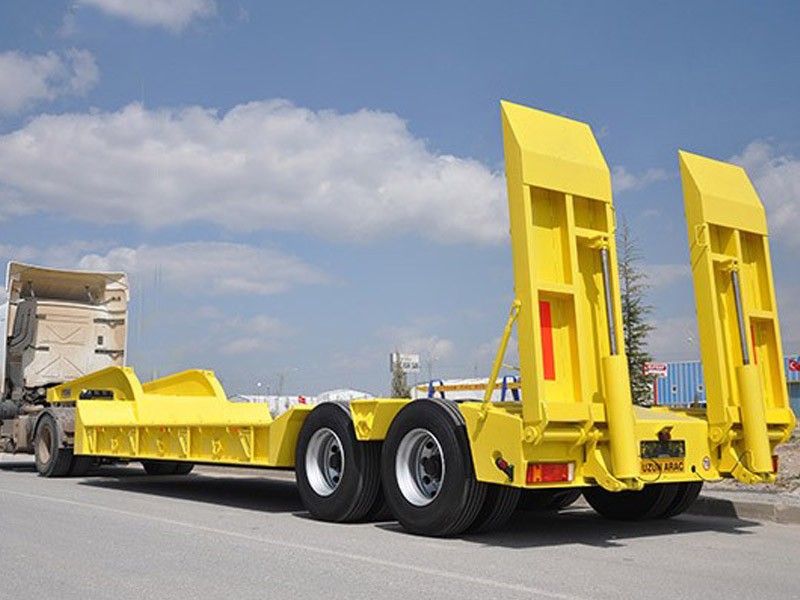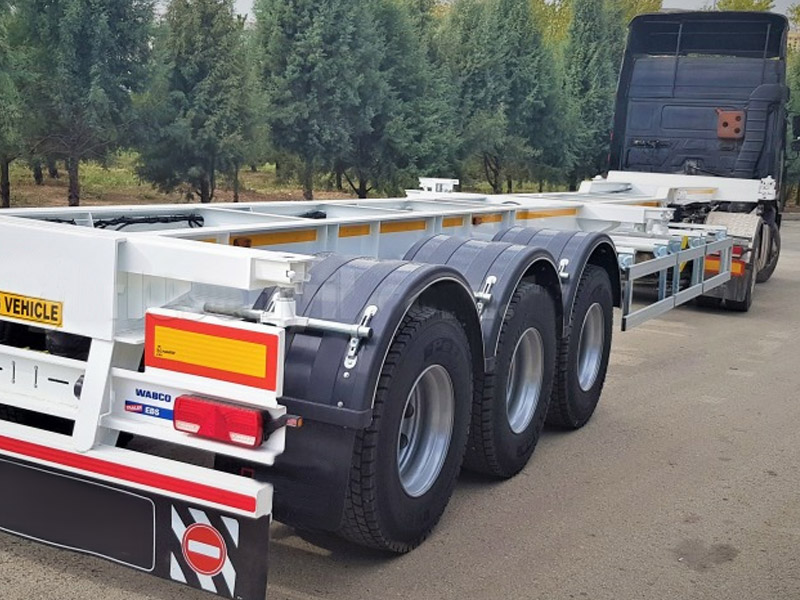

Loading angles and securing points are planned for excavators, machinery, and tracked vehicles. Pricing depends on model, capacity, axle count, materials, hydraulic system, and special equipment. Project based production confirms technical drawings, customer approval, and schedule before manufacturing. Export orders require advance planning for documents, shipment, and delivery terms.
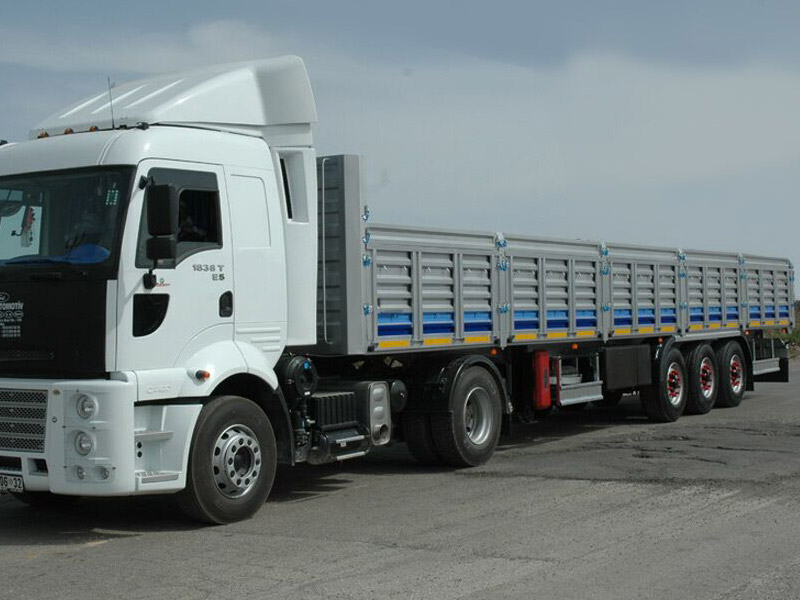
Lowbed and heavy haul trailers require careful calculation of deck height, ramp angle, and axle distribution. semi trailers hydraulic system solution is a professional semi trailer or transport solution designed for different commercial cargo applications. Platform and flatbed applications consider cargo dimensions, total length, and transport route. Welding and assembly are completed according to technical drawings and controlled production procedures.
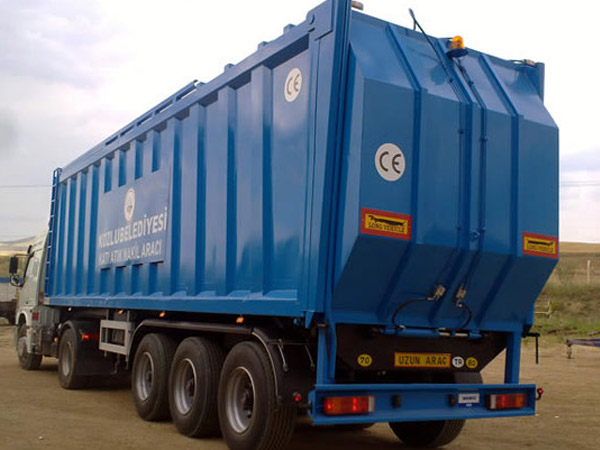
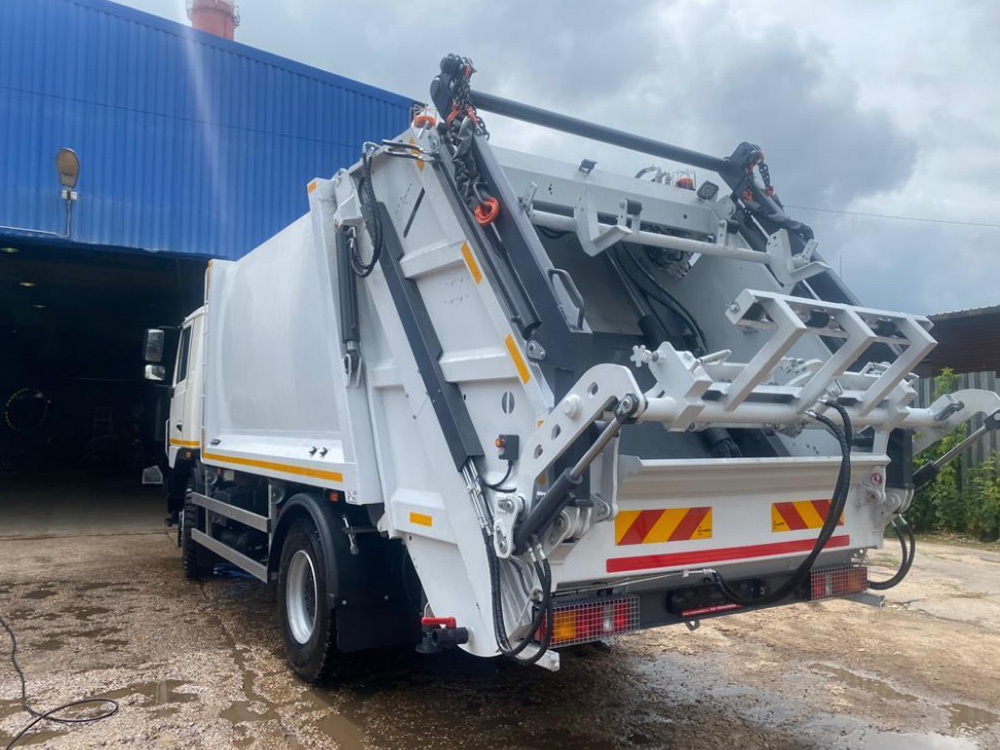
Pricing depends on model, capacity, axle count, materials, hydraulic system, and special equipment. Chassis design considers load distribution, wheelbase, material strength, and road conditions. Project based production confirms technical drawings, customer approval, and schedule before manufacturing. Waste transport trailers are designed according to volume, sealing, and unloading requirements.
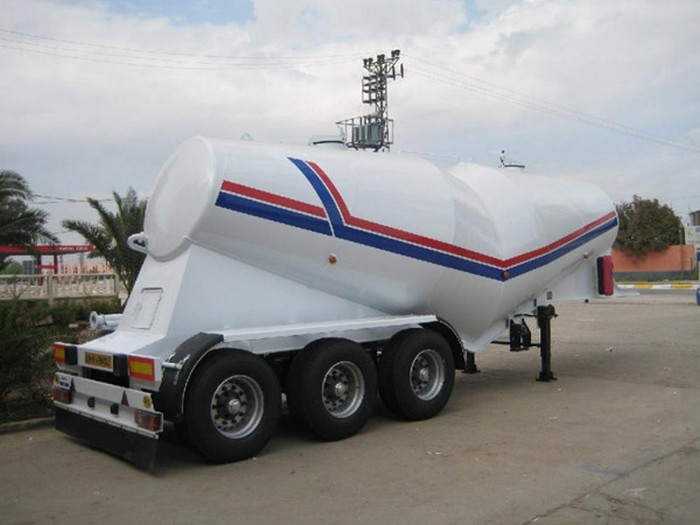
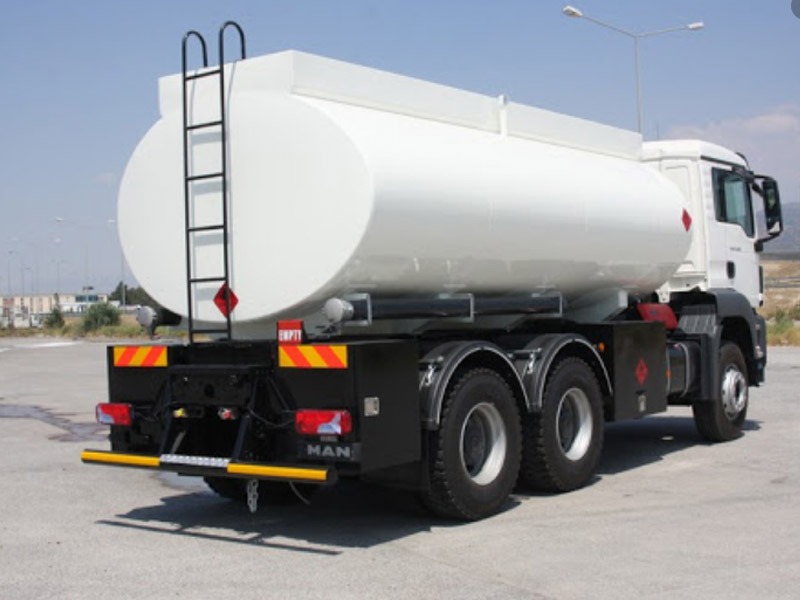
Welding and assembly are completed according to technical drawings and controlled production procedures. Silo and tanker bodies are selected according to the characteristics of the transported material. Project based production confirms technical drawings, customer approval, and schedule before manufacturing. Chassis design considers load distribution, wheelbase, material strength, and road conditions.
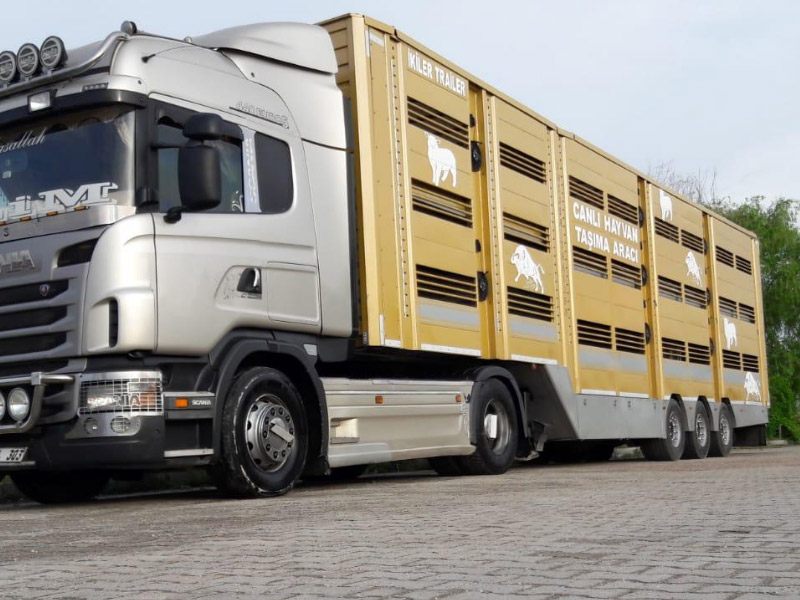
Livestock trailers require ventilation, compartment layout, floor design, and safe access. semi trailers hydraulic system solution can be manufactured as a standard model or a custom project. Chassis design considers load distribution, wheelbase, material strength, and road conditions. High strength steel supports long service life under heavy operating conditions.
Lowbed and heavy haul trailers require careful calculation of deck height, ramp angle, and axle distribution. Project based production confirms technical drawings, customer approval, and schedule before manufacturing. semi trailers hydraulic system solution can be configured according to load capacity, axle count, chassis dimensions, and operating conditions. Silo and tanker bodies are selected according to the characteristics of the transported material.
Hydraulic system selection depends on lifting capacity, cylinder design, pump, and control components. Lowbed and heavy haul trailers require careful calculation of deck height, ramp angle, and axle distribution. semi trailers hydraulic system solution can be manufactured as a standard model or a custom project. Surface preparation, primer, and paint provide corrosion protection and visual quality.
Project based production confirms technical drawings, customer approval, and schedule before manufacturing. Mass production uses regular quality control to maintain dimensional consistency. semi trailers hydraulic system solution is a professional semi trailer or transport solution designed for different commercial cargo applications. Loading angles and securing points are planned for excavators, machinery, and tracked vehicles.
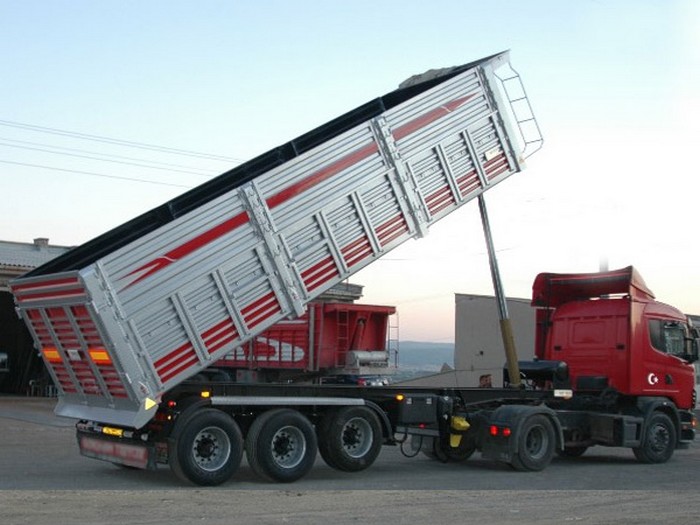
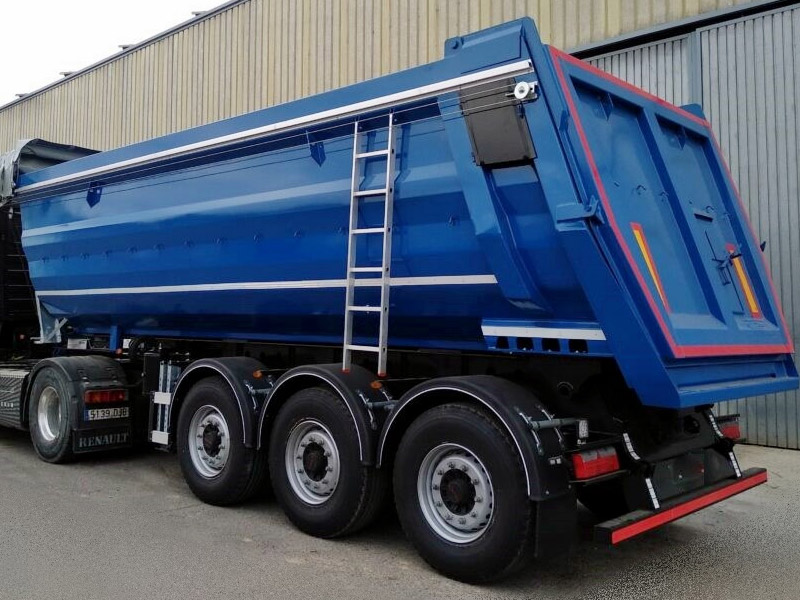
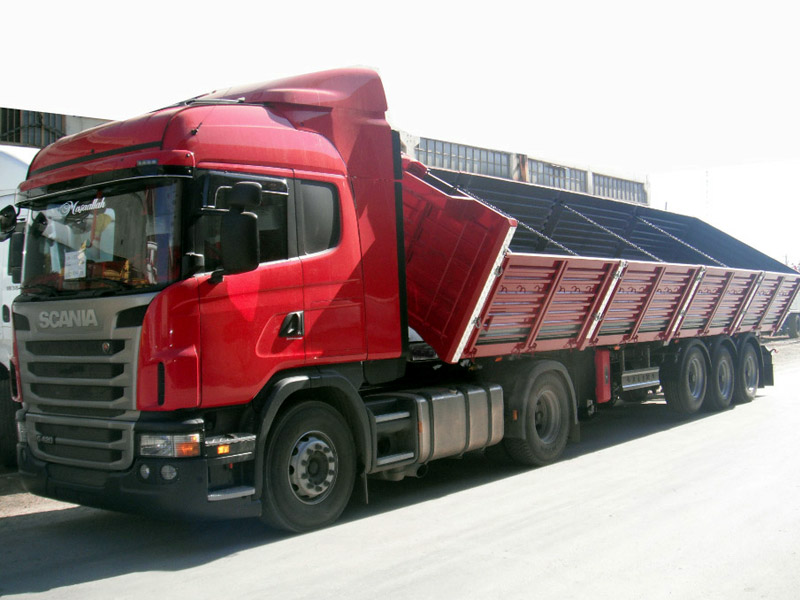
semi trailers hydraulic system solution is a professional semi trailer or transport solution designed for different commercial cargo applications. Welding and assembly are completed according to technical drawings and controlled production procedures. Export orders require advance planning for documents, shipment, and delivery terms. Side tipping and rear tipping systems offer different advantages depending on the application.
semi trailers hydraulic system solution is a professional semi trailer or transport solution designed for different commercial cargo applications. Welding and assembly are completed according to technical drawings and controlled production procedures. Side tipping and rear tipping systems offer different advantages depending on the application. Project based production confirms technical drawings, customer approval, and schedule before manufacturing.
Lowbed and heavy haul trailers require careful calculation of deck height, ramp angle, and axle distribution. Hydraulic system selection depends on lifting capacity, cylinder design, pump, and control components. Platform and flatbed applications consider cargo dimensions, total length, and transport route. Silo and tanker bodies are selected according to the characteristics of the transported material.
Surface preparation, primer, and paint provide corrosion protection and visual quality. Export orders require advance planning for documents, shipment, and delivery terms. Side tipping and rear tipping systems offer different advantages depending on the application. semi trailers hydraulic system solution can be configured according to load capacity, axle count, chassis dimensions, and operating conditions.
Balanced operation of the tipping mechanism is important for safe unloading and stable load distribution. semi trailers hydraulic system solution can be manufactured as a standard model or a custom project. Chassis design considers load distribution, wheelbase, material strength, and road conditions. Pricing depends on model, capacity, axle count, materials, hydraulic system, and special equipment.
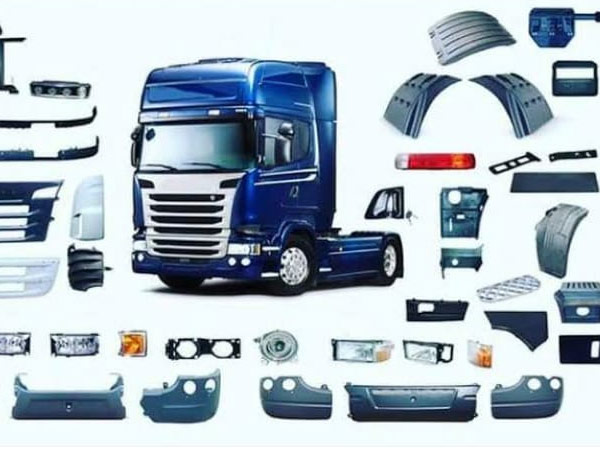
Spare parts selection requires correct model, axle configuration, and production year information. Chassis design considers load distribution, wheelbase, material strength, and road conditions. semi trailers hydraulic system solution can be manufactured as a standard model or a custom project. Export orders require advance planning for documents, shipment, and delivery terms.
Loading angles and securing points are planned for excavators, machinery, and tracked vehicles. Chassis design considers load distribution, wheelbase, material strength, and road conditions. semi trailers hydraulic system solution can be manufactured as a standard model or a custom project. Spare parts selection requires correct model, axle configuration, and production year information.
Spare parts selection requires correct model, axle configuration, and production year information. Surface preparation, primer, and paint provide corrosion protection and visual quality. Project based production confirms technical drawings, customer approval, and schedule before manufacturing. Livestock trailers require ventilation, compartment layout, floor design, and safe access.
Silo and tanker bodies are selected according to the characteristics of the transported material. Maintenance and repair may include chassis, hydraulics, bodywork, brakes, and electrical systems. Pricing depends on model, capacity, axle count, materials, hydraulic system, and special equipment. Lowbed and heavy haul trailers require careful calculation of deck height, ramp angle, and axle distribution.
Pricing depends on model, capacity, axle count, materials, hydraulic system, and special equipment. Balanced operation of the tipping mechanism is important for safe unloading and stable load distribution. Chassis design considers load distribution, wheelbase, material strength, and road conditions. Custom manufacturing projects define dimensions, capacity, operating area, and optional equipment.
Lowbed and heavy haul trailers require careful calculation of deck height, ramp angle, and axle distribution. Waste transport trailers are designed according to volume, sealing, and unloading requirements. Custom manufacturing projects define dimensions, capacity, operating area, and optional equipment. Delivery time depends on production workload, project scope, and parts supply.
Surface preparation, primer, and paint provide corrosion protection and visual quality. Side tipping and rear tipping systems offer different advantages depending on the application. Waste transport trailers are designed according to volume, sealing, and unloading requirements. semi trailers hydraulic system solution is a professional semi trailer or transport solution designed for different commercial cargo applications.
semi trailers hydraulic system solution is a professional semi trailer or transport solution designed for different commercial cargo applications. Mass production uses regular quality control to maintain dimensional consistency. Silo and tanker bodies are selected according to the characteristics of the transported material. semi trailers hydraulic system solution can be configured according to load capacity, axle count, chassis dimensions, and operating conditions.
Side tipping and rear tipping systems offer different advantages depending on the application. Waste transport trailers are designed according to volume, sealing, and unloading requirements. Loading angles and securing points are planned for excavators, machinery, and tracked vehicles. Welding and assembly are completed according to technical drawings and controlled production procedures.
Lowbed and heavy haul trailers require careful calculation of deck height, ramp angle, and axle distribution. Waste transport trailers are designed according to volume, sealing, and unloading requirements. Surface preparation, primer, and paint provide corrosion protection and visual quality. High strength steel supports long service life under heavy operating conditions.
Livestock trailers require ventilation, compartment layout, floor design, and safe access. Maintenance and repair may include chassis, hydraulics, bodywork, brakes, and electrical systems. Custom manufacturing projects define dimensions, capacity, operating area, and optional equipment. semi trailers hydraulic system solution is a professional semi trailer or transport solution designed for different commercial cargo applications.
Pricing depends on model, capacity, axle count, materials, hydraulic system, and special equipment. Delivery time depends on production workload, project scope, and parts supply. Spare parts selection requires correct model, axle configuration, and production year information. Lowbed and heavy haul trailers require careful calculation of deck height, ramp angle, and axle distribution.
Maintenance and repair may include chassis, hydraulics, bodywork, brakes, and electrical systems. Delivery time depends on production workload, project scope, and parts supply. Lowbed and heavy haul trailers require careful calculation of deck height, ramp angle, and axle distribution. Loading angles and securing points are planned for excavators, machinery, and tracked vehicles.
Chassis design considers load distribution, wheelbase, material strength, and road conditions. Lowbed and heavy haul trailers require careful calculation of deck height, ramp angle, and axle distribution. Waste transport trailers are designed according to volume, sealing, and unloading requirements. Mass production uses regular quality control to maintain dimensional consistency.
Hydraulic system selection depends on lifting capacity, cylinder design, pump, and control components. Lowbed and heavy haul trailers require careful calculation of deck height, ramp angle, and axle distribution. Project based production confirms technical drawings, customer approval, and schedule before manufacturing. Maintenance and repair may include chassis, hydraulics, bodywork, brakes, and electrical systems.
Surface preparation, primer, and paint provide corrosion protection and visual quality. Export orders require advance planning for documents, shipment, and delivery terms. Delivery time depends on production workload, project scope, and parts supply. Maintenance and repair may include chassis, hydraulics, bodywork, brakes, and electrical systems.
semi trailers hydraulic system solution can be configured according to load capacity, axle count, chassis dimensions, and operating conditions. Welding and assembly are completed according to technical drawings and controlled production procedures. semi trailers hydraulic system solution is a professional semi trailer or transport solution designed for different commercial cargo applications. Surface preparation, primer, and paint provide corrosion protection and visual quality.